What Do ESI Changes 2026 Mean for Employers and Employees?
Employee welfare schemes are a critical part of labour regulations in India. Among these, the Employee State Insurance (ESI) program provides healthcare coverage and financial protection to eligible employees. The scheme is administered by the Employees’ State Insurance Corporation (ESIC).
When government policies evolve or budgets introduce regulatory adjustments, payroll compliance requirements may also change. HR teams must stay updated to ensure employee benefits are calculated correctly.
For many businesses, tracking these statutory changes manually can be challenging.
In short: payroll systems must align with evolving labour regulations.
Understanding ESI changes 2026 helps organizations manage employee insurance contributions while maintaining regulatory compliance.
Why Are ESI Changes 2026 Important for Payroll Compliance?
The ESI changes 2026 influence how employers determine employee eligibility and calculate insurance contributions. Businesses must apply these updated rules when processing payroll to remain compliant with statutory obligations. Proper implementation helps companies avoid penalties while ensuring employees receive healthcare and financial security benefits.
What Payroll Processes Are Affected by ESI Regulations?
- Employee insurance eligibility verification
- Payroll deduction calculations
- Employer contribution tracking
- Compliance documentation preparation
- ESIC reporting and filings
Definition :
Employee State Insurance is a statutory health insurance scheme that offers medical treatment, maternity benefits, and disability compensation to eligible workers.
In short: ESI ensures workplace social security.
What Are the Key Elements of ESI Changes 2026?
The ESI changes 2026 may involve updates in wage eligibility thresholds, contribution percentages, or compliance reporting formats. Employers must review these elements carefully to ensure payroll calculations remain accurate.
Which Factors Should Employers Monitor?
- Updated salary eligibility thresholds
- Employer contribution percentages
- Employee deduction percentages
- ESIC reporting deadlines
In short: payroll systems must reflect new statutory guidelines.
How Do ESI Changes 2026 Influence Payroll Calculations?
Payroll departments must incorporate ESI changes into salary processing systems to calculate insurance deductions correctly. When payroll software integrates statutory updates, contributions are applied automatically according to employee eligibility.
What Payroll Tasks Include ESI Contributions?
- Employee insurance deduction calculations
- Employer contribution processing
- Payroll reporting generation
- Compliance filing preparation
In short: payroll automation improves compliance accuracy.
How Do ESI Changes 2026 Affect Employee Eligibility?
Eligibility criteria determine which employees qualify for coverage under the ESI scheme. With ESI changes, companies must reassess employee salary structures to determine whether workers fall within the eligible wage bracket.
What Benefits Do Eligible Employees Receive?
Employees covered under the ESI program gain access to several welfare benefits:
- Medical care for employees and families
- Disability benefits
- Maternity support
- Sickness benefits
In short: ESI strengthens employee welfare.
How Do ESI Changes 2026 Compare With Earlier Regulations?
Comparison Table
Compliance Area | Earlier System | ESI Changes 2026 |
Eligibility Monitoring | Manual HR tracking | Payroll system automation |
Contribution Calculation | Spreadsheet-based | Automated payroll tools |
| Reporting Method | Paper-based filings | Digital reporting |
| Compliance Monitoring | Periodic checks | Real-time tracking |
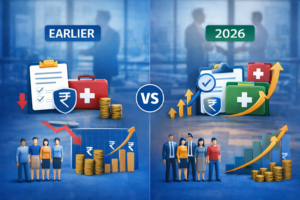
Compared with earlier regulatory practices, ESI changes encourage greater use of digital payroll tools and automated reporting.
In short: compliance management is shifting toward automation.
What Benefits Do Employers and Employees Gain From ESI Compliance?
Benefit Overview Table
Benefit Area | Outcome | Estimated Impact |
Healthcare Access | Medical coverage for employees | +50% security |
Financial Protection | Disability and maternity benefits | +40% |
| Workforce Stability | Improved employee retention | +35% |
| Compliance Assurance | Reduced regulatory risk | +45% |
Organizations implementing ESI changes provide stronger social security support for employees while ensuring compliance with labour regulations.
In short: ESI benefits improve employee welfare and organizational stability.
What Risks Do Businesses Face If They Ignore ESI Changes 2026?
Companies that fail to implement ESI changes 2026 risk payroll miscalculations and statutory violations. Employers may face penalties, regulatory inspections, and employee disputes.
Compliance Risk Chart
ESI Compliance Risk Distribution
Incorrect contribution deductions █████████████ 30%
Late compliance filings ███████████ 25%
Employee benefit disputes █████████ 20%
Regulatory penalties ████████████ 25%
A large percentage of statutory compliance issues occur due to incorrect payroll deductions.
In short: compliance monitoring reduces financial risk.
How Does This Apply to Businesses in India?
How does this apply to businesses in India?
For organizations operating in India, ESIC compliance is mandatory under labour law provisions. Companies implementing ESI changes 2026 must ensure payroll systems correctly apply eligibility and deduction rules.
Businesses across cities such as Mumbai, Delhi, Bengaluru, Hyderabad, and Chennai must maintain accurate payroll compliance records.
In short: ESI compliance applies across the entire country.
How Can Employers Implement ESI Compliance Efficiently?
What Best Practices Should Businesses Follow?
- Implement payroll automation tools
- Verify employee eligibility regularly
- Maintain accurate payroll records
- Monitor statutory reporting deadlines
- Conduct periodic compliance audits
Businesses that integrate structured payroll systems can manage ESI changes 2026 more efficiently while reducing compliance risks.
In short: proactive payroll management strengthens statutory compliance.
Frequently Asked Questions
What are ESI changes 2026?
ESI changes 2026 refer to updates in eligibility criteria, contribution percentages, or compliance reporting rules under the Employee State Insurance scheme.
Who qualifies for ESI benefits in India?
Employees earning within the prescribed wage threshold set by ESIC are eligible to receive healthcare and insurance benefits.
What percentage of salary is deducted for ESI?
Typically, both employers and employees contribute a small percentage of wages toward the ESI scheme.
Can payroll software manage ESI deductions automatically?
Yes. Modern payroll software can automatically calculate ESI deductions and generate compliance reports.
What happens if employers fail to deposit ESI contributions?
Employers may face interest charges, penalties, and legal action if ESI contributions are not deposited correctly.
Conclusion: Why Businesses Must Stay Updated on ESI Regulations
Employee State Insurance remains a fundamental pillar of employee welfare in India. Compliance with statutory contribution rules ensures workers receive essential healthcare and financial protection.
Understanding ESI changes 2026 enables employers to update payroll systems and maintain accurate compliance records.
In short: statutory compliance protects both employees and organizations.
Companies that implement automated payroll solutions and follow updated labour regulations will maintain long-term payroll accuracy and regulatory stability.